

10 Ways to Support Student Voters in 2026
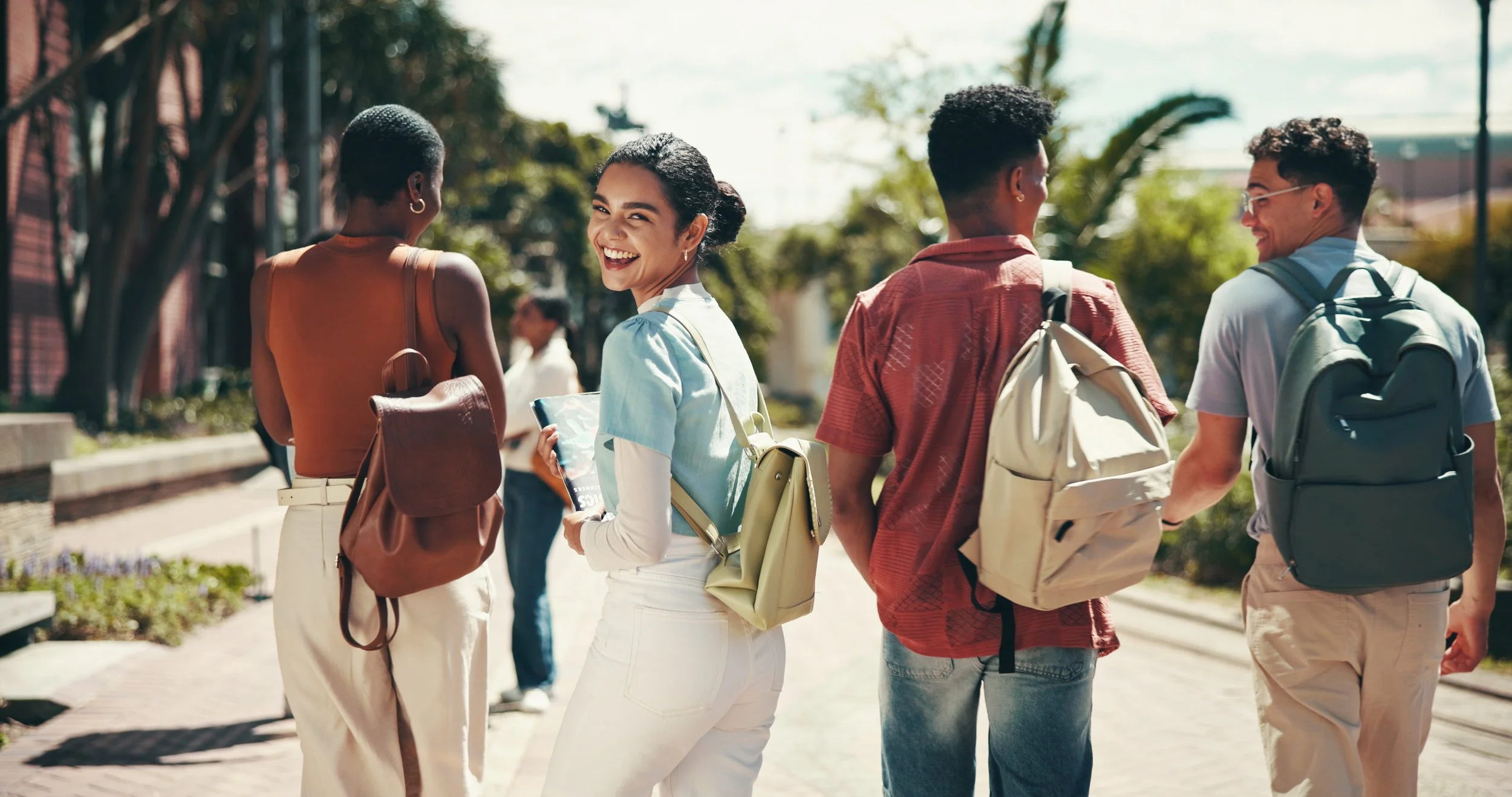
Though youth voter turnout has experienced significant gains during presidential elections, turnout in midterm elections has yet to yield similar results. This year’s elections are no different; the 2026 midterms present a critical opportunity to engage the youngest members of the electorate: student voters.
According to the Center for Information & Research on Civic Learning and Engagement (CIRCLE) at Tufts University, 2020 was a historically high year for voter turnout, with youth voter turnout (ages 18-29) reaching 50%. This statistic dropped dramatically in the 2022 midterm elections, where only 23% of this population voted. The 2024 elections saw a steady percentage yield to the previous presidential election year, with 47% of individuals aged 18-29 casting a ballot, but the 2026 elections bring up the essential question of how to keep youth voters engaged during the midterms.
A large percentage of voters within the 18-29 age range are students. Meeting this population where they are at will be essential in ensuring their civic involvement this November.
Here are 10 ways to support student voters in 2026:
1) Partner with Universities
One of the most impactful ways of engaging student voters is partnering with the universities, colleges, and other educational institutions they attend. By collaborating with universities and other institutions, civic engagement organizations are able to become fundamentally involved with the voters they are targeting.
Partnering with educational institutions also introduces the unique opportunity of being extremely visible, administratively. For example, working with institutions to build a civic hub on their home websites, alongside class registration and class schedules, organizations looking to engage students can meet them where they are and make civic insights more accessible.
The institutions themselves also have the infrastructure to effectively get messages through to their student bodies. By partnering with them directly, organizations would be able to send critical voting reminders to these students through verified channels, increasing engagement.
2) Be Visible on Campuses
On-campus visibility is the most tangible way to remind students about upcoming elections. Whether this means having a table at school-wide events and orientations, walking around campus with flyers, or displaying information promoting civic engagement around campus, being visible is the first step to action.
Visibility can also come by means of handing out merchandise to students. Functional items like water bottles, stickers and enamel pins, adhesive silicone phone wallets, and even clothing promoting GOTV efforts can serve as effective reminders to students around campus that their vote means something.
3) Engage with Student Organizations
Contacting student government organizations is a powerful way to meet students where they are. More often than not, the students serving in student governments were put into office by means of civic participation and are aware of the power of voting. For many, it may even be their first experience with civic engagement. These student officers are keenly aware of the causes their campuses are passionate about and how to move their student bodies into action. Partnering with these organizations provides a unique look into the pulse of the student communities you are targeting, and can shed light on more effective strategies for bringing civic engagement to campus.
In addition to the student governments, universities usually have student-run organizations dedicated to increasing civic engagement on their campuses. Whether this is UT Austin’s TX Votes, UCLA’s BruinsVOTE, or Harvard’s Vote Challenge, most institutions already have populations dedicated to achieving similar ends to your organization. Connecting with these groups allows your organization the opportunity to build upon their targeting infrastructure, while providing them the opportunity to enhance their own capabilities.
4) Host Voter Registration Drives
Bringing voter registration and pre-registration drives to college campuses eliminates the barrier of self-navigating official election pages that are often daunting for new voters.
Many students come from out of state, so providing information and resources for this population is both necessary and effective in encouraging civic participation overall.
5) Host Events on Campus
On college campuses, the most politically active students are more likely to focus their studies on politics and political science, humanities, or liberal arts related disciplines rather than those related to STEM. In addition to holding registration drives for students, hosting civic-centered events on campus is another great way to reach the broader demographic of student voters.
These events can be focused on non-partisan topics such as:
Critical media literacy
Understanding your ballot
Debate watch parties
Additionally, focusing your engagement on student groups less likely to be politically active can help reach those who may be missed by traditional engagement tactics. This can look like hosting an “STEM Majors in Politics” night, or targeted tabling to cover high-traffic areas of campuses for each major.
6) Advocate for More Polling Places
Civic accessibility encourages engagement. Voter-friendly campuses are necessary to stimulate youth voter participation.
For students, in-person voting can pose challenges when polling places and mail drop-off boxes are far from their homes or campuses. The truth is this: each additional step students must take to vote acts as a deterrent to civic participation. By working with universities to place vote centers and ballot drop-off boxes on and/or around campus, the simple act of bringing voting to them has the power to yield significant outcomes.
7) Provide As Much Information As Possible
It’s higher education. Education is in the name!
By having voters input location information into BallotReady, our system readily provides resources on local, state, and national races, highlighting the necessary information for voters to make carefully considered decisions on candidates and ballot measures. The website also provides users the opportunity to check their voter registration, find local polling locations, request mail-in ballots, and provides information on how to further take action.
The more information you can make accessible to students, especially via digital methods like BallotReady.org or an embedded Civic Center widget, the more likely they are to participate.
8) Celebrate Voter-centered Holidays
Who doesn’t love a celebration? Whether it be through voter registration drives, large targeted advertisement campaigns, or partnering with student organizations for coordinated events, being aware of voter-centered holidays is a great way to engage students.
Here are some dates to get involved:
National Teens Voter Registration Day: Sep 10
National Voter Registration Day: Sept. 16
National Voter Education Week: October 5-9
Election Hero Day: October 20
Tack on some free food and a t-shirt, and you could have yourself a new campus tradition centering around civic engagemen
9) Social Media Campaigns
We’ve already said it enough, but meeting student voters where they’re at is a necessity for successfully encouraging them to vote.
Social media plays the largest role in the civic engagement behaviors of the youth demographic. Pew Research Center found that 53% of individuals under 30 say social media is personally important for getting involved with issues that are meaningful to them. In creating elaborate social media campaigns designed to educate, target, and encourage youth voters, organizations have the unique opportunity to really meet this generation where they are at: on their phones. Using infographics, memes, and other shareable content, targeted campaigns have the potential to change the way students see and think about voting.
10) Partner with University Athletics
University athletics have the unique ability of uniting students, regardless of year or major, to support a common goal, with student athletes having a distinct level of visibility on their campuses.
Channeling this celebrity into voter-related causes is an impactful way of targeting this demographic of voters. Even the NCAA is aware of this, and their athletes participate in All Vote No Play, an annual legislation passed by the NCAA in 2020, where all college athletes have the day off from practice and play on Election Day to vote, celebrate civics, and host events.
Engaging university sports teams and athletes introduces an unrivaled opportunity for channeling school pride into meaningful civic engagement.
From partnering with educational institutions to crafting targeted social media campaigns, meeting young voters where they are at is essential to ensuring the continued success of our democracy. We understand that this is no small feat, but this work is both necessary and worth it to ensure a healthy democracy for all.
Want to learn more about how you can help ensure your community has the resources it needs to stay engaged?
Visit organizations.ballotready.org or more information.